
Personal loan with bad credit: what a high APR really costs
On a $4,000 loan, the gap between a high-rate offer and a predatory one can be thousands of dollars in interest alone.
Advertiser disclosure: some links on this page earn us a commission. It never changes what we publish, and it costs you nothing. How we make money
Compare loans by total cost, not by the monthly payment. A longer term lowers the payment and raises what you pay overall.
Start with APR versus interest rate, the number to line up across offers, and how a personal loan works from application to payoff. Then see what an 84-month car loan really costs and what you put at risk with a secured loan. For a short-term emergency, payday loan alternatives at federal credit unions are capped at 28% APR.
On a $4,000 loan, the gap between a high-rate offer and a predatory one can be thousands of dollars in interest alone.
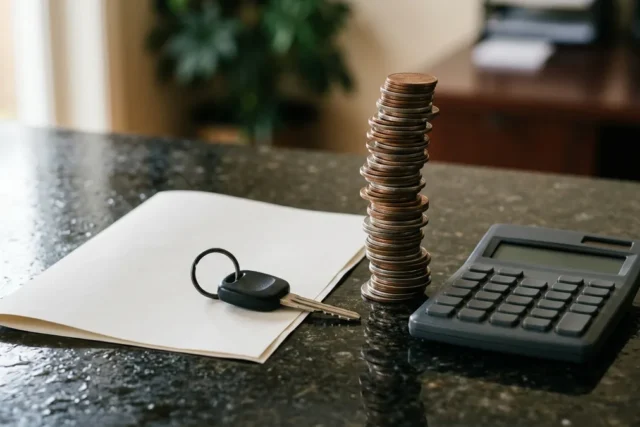
Adding a deficiency balance to a new contract leaves the car immediately underwater, complicating insurance payouts and future refinance approvals.

A slightly higher interest rate from a lower score can add up to six figures in extra payments over the life of…

The opportunity to cut your interest cost comes from two main shifts, but being 'upside down' on your loan can make refinancing…

A co-signed loan or a $0 student loan payment can count against you or not, depending on the lender's specific guidelines and…

Car dealers often focus on the monthly payment, but that number can hide thousands of dollars in extra interest costs.

Paying off the debt is the goal, but your credit score can see a temporary dip right after the account is closed…

The short-term loan that seems easiest can trap you in a cycle of debt, but you may have options that don't involve…

A secured loan costs less because the lender can take the collateral, often without court. Here is what the savings buy and…

In most states, a lender can demand the full balance from you without first trying to collect from the primary borrower.
Every article is checked against primary sources: the Consumer Financial Protection Bureau, the Federal Reserve and issuer terms. When a number changes, we update the piece and say when.
Some pages contain partner links that may earn us a commission. This never changes what we publish and costs you nothing. No lender pays for placement or for a better review, and nobody outside our editorial team sees a piece before it runs.
Hub for Credit publishes independent information about credit cards, loans, and consumer finance. We are not a bank, a lender, or a card issuer, we do not extend credit, and we do not broker applications. Nothing here is personalized financial advice.